poetry

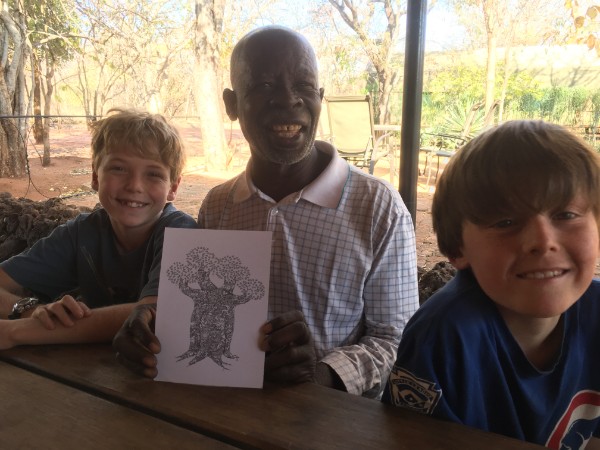
Uncle Ben

Uncle Ben

with his one good eye
Uncle Ben sees
more than a generation ahead
turns back the teak at the border
prays one day there’ll be nothing
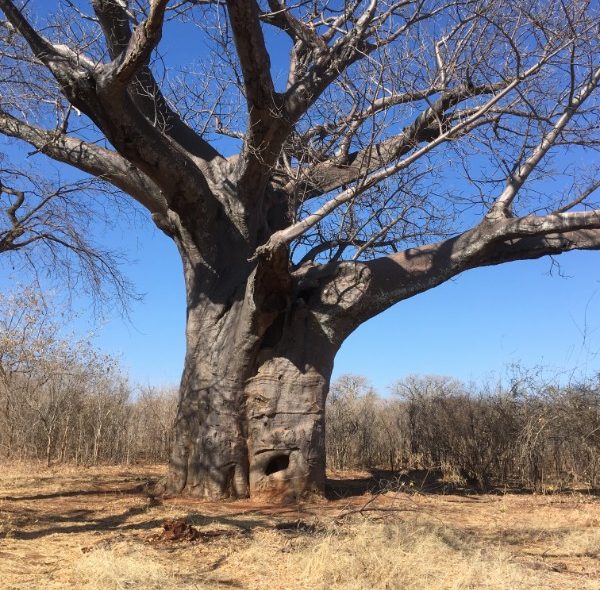
between his body and the baobab
hugs me like his long-lost sister
(I am)
plants green hope
everywhere he goes
jokes

JOKIES o’2OI9

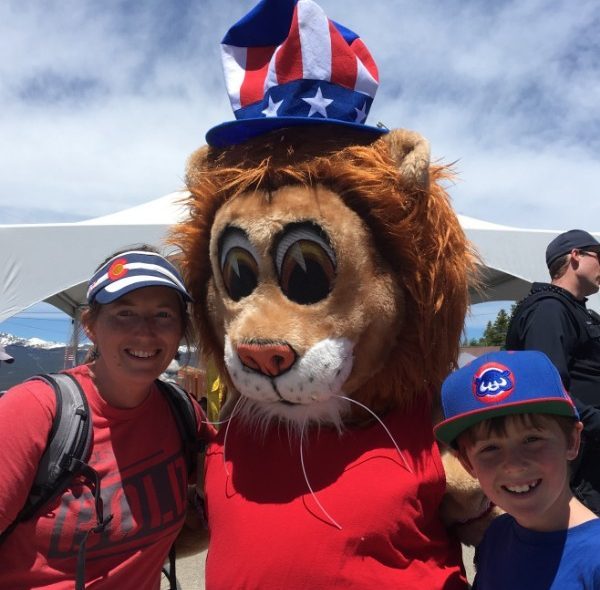
this is my second best friend named J. Bieber

What do Alexander the great and Winnie the Pooh have in common?

Highlight the black block to find the answer

They have the same middle name!!!

If you think you know the answer then write your guess in comments below.

poetry

Mama Mubuyu

Mama Mubuyu

skin like smooth stone
the dull magenta of a firm ripe yam
mubuyu holds velvety fruits high
that even dried stay sweet
a treat that won’t rot
she keeps a hollow in her knee
a safe spot for sleeping birds
and the languid winter air
teases her empty crown
most of all
she stays rooted
a murmuring witness
to all deeds done and undone here
a millennia-long memory
a call to humility
impossible to ignore

poetry

southern African lament

southern African lament

one wild sound
stuffed in a box
ringed with bars
wailing into the dark
seeing no way out
protesting anyway
pacing for change
waiting for dawn

photography

Africa, Part Two!!!!!!!!!!!!!!!

Here is the second installment of my four-part African posting spree. Enjoy!

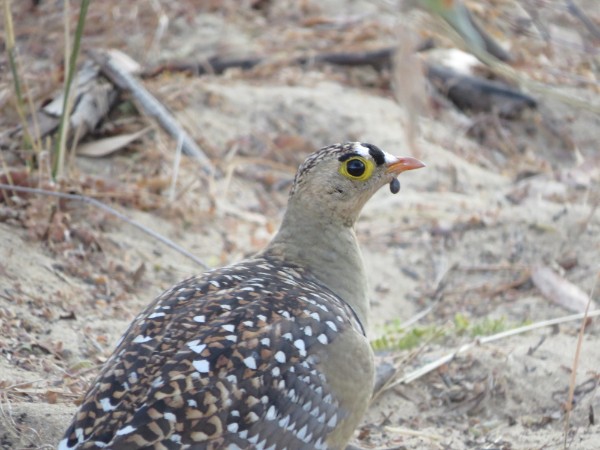
The Double-banded Sandgrouse, like the Burchell’s Sandgrouse featured in the previous post, is known for its aerial trips to drink at watering holes. However, they are not necessarily tied to water sources.
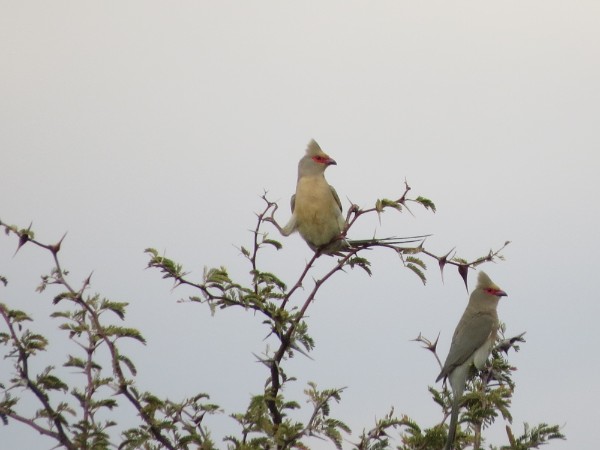
We saw multiple flocks of mousebirds before one landed and allowed us to identify them as Red-faced Mousebirds (shown here). Upon looking back at this photo, I realized that the main bird featured is supporting half of its body weight with one toe. I do not know why it did this, but it sustained this position for the entire time we saw the flock.
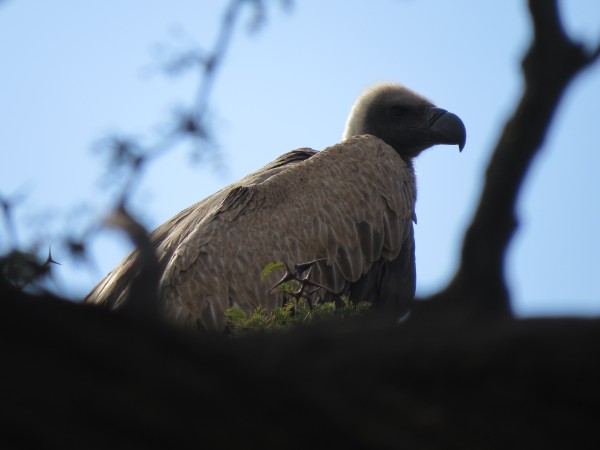
White-backed Vultures are a close relative to the Cape Griffons of the previous post. Although much more common in southern Africa, the White-backed is listed as Critically Endangered compared to the Endangered status of the Cape.
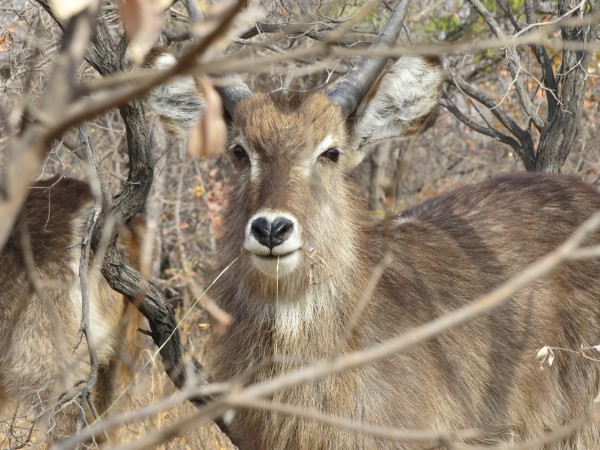
Over the course of our entire trip we constantly admired the adorable shaggyness of waterbuck, which we saw quite a lot.
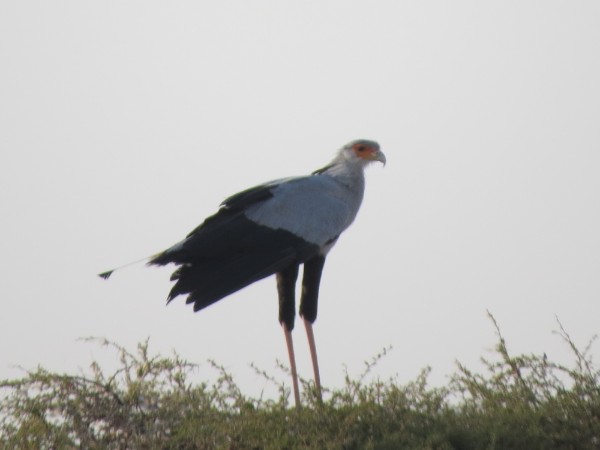
The Secretarybird is one of the most distinctive raptors in the world. It is identified by its long legs, orang face, strange tail, and floppy crest. It is the only bird in its family, and is sadly growing quite rare in parts of Africa.
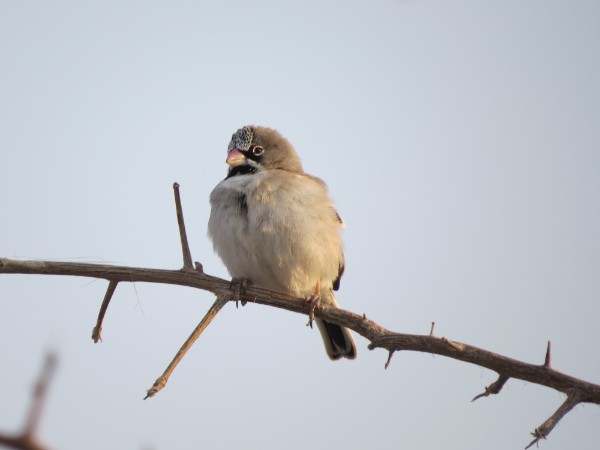
In the Makgadikgadi Pans there is a small reserve called Lekhubu Island. It has lots of birds, and one of the many distinctive species we saw was the Scaly Weaver, which travels around in large flocks, so you will see either none at a time or many.
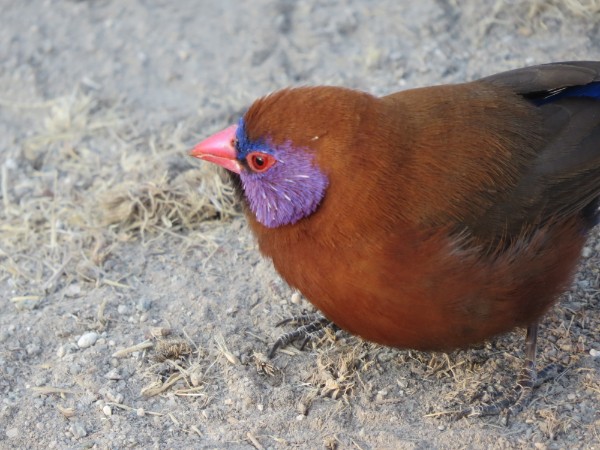
A close relative to the Blue Waxbill and Red-cheeked Cordonbleu, the Violet-eared Waxbill is one of Africa’s most stunning birds. In fact, this is not a very zoomed in photo; a pair of these birds came to within a foot of me.
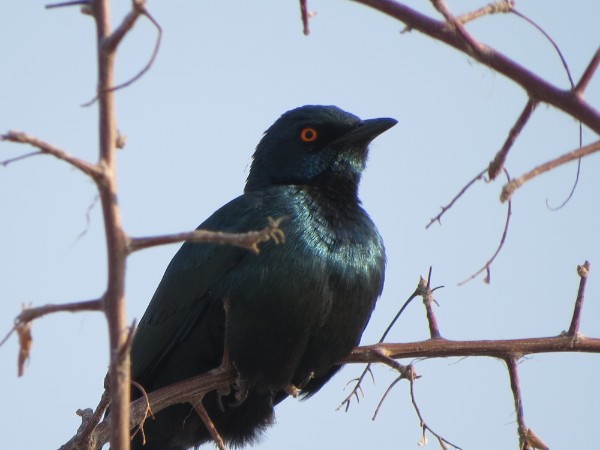
The Cape Starling is a ubiquitous bird of southern Africa, and is easily identified from the similar Burchell’s Starling by the orange eye, shorter tail, and absence of black ear coverts.
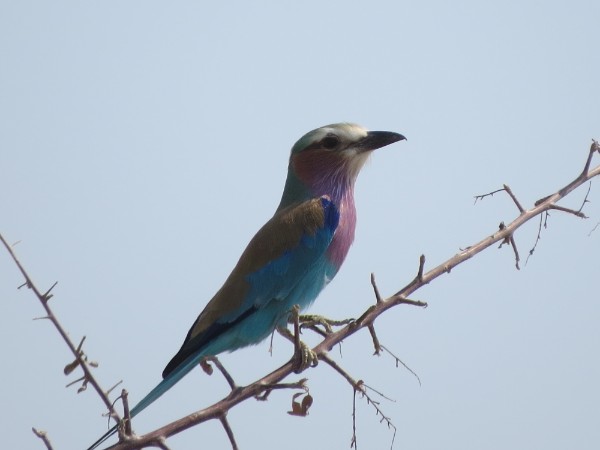
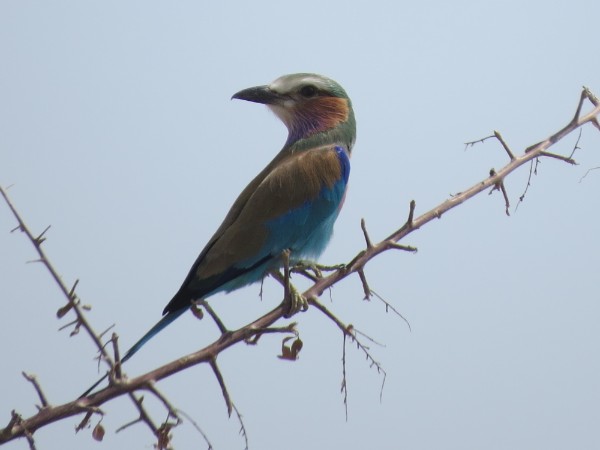
Another iconic bird of Africa, the Lilac-breasted Roller proved to be relatively common, yet still always amazes us when we see this rainbow of feathers.
In this photo you can see the lilac breast that gives the roller part of its name. The other part comes from the wild display flights given by each species in the roller family.
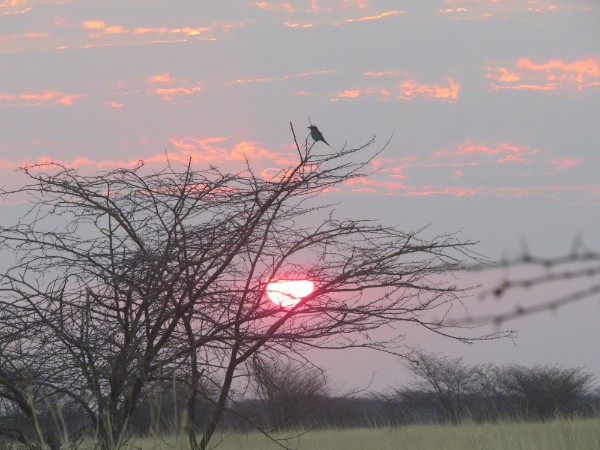
We also saw a different roller from the one pictured above in a tree directly in front of the setting sun. There could not be a more fitting photo for a bird with as many colors as the sunset behind it.
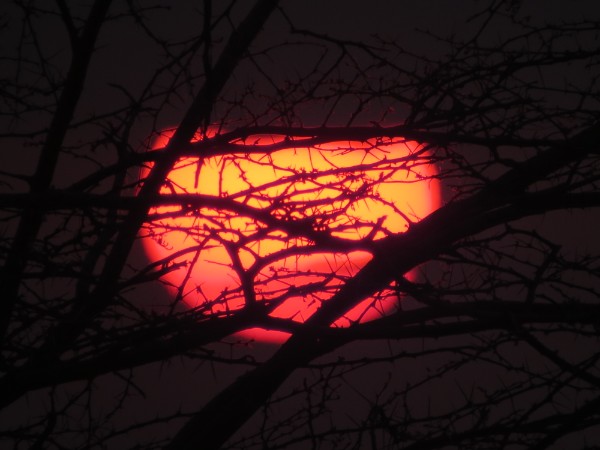
We saw many prime sunsets in Botswana, but I still could not resist taking a close-up of this one.
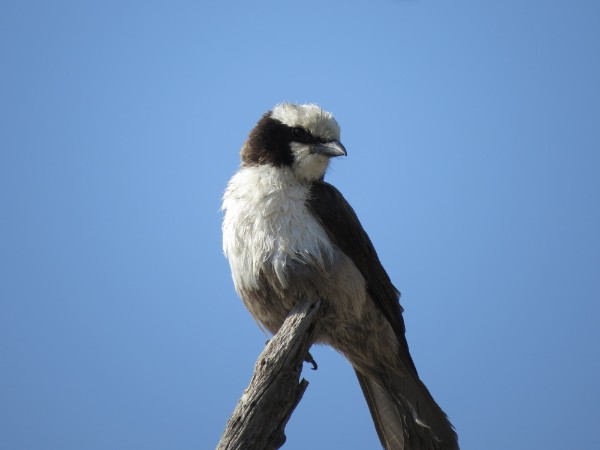
During our Botswana safari we had a full day to just relax (and in my case, bird) at the Pelican Lodge. One of the first birds I sighted was this Southern White-crowned Shrike. It was quite calm, and allowed me to get this photo.
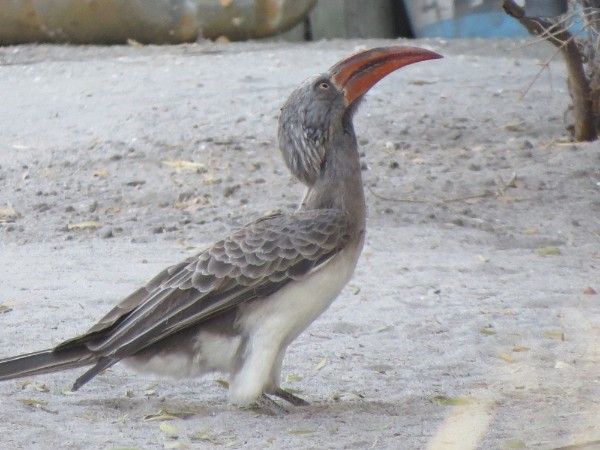
One of my favorite birds we saw on this safari was this Bradfield’s Hornbill. Our guide, Kabelo, argued that it was a Southern Red-billed Hornbill, while I said it was a Bradfield’s. We eventually got to the point of betting sodas for who was right, and this bird won me a Fanta.
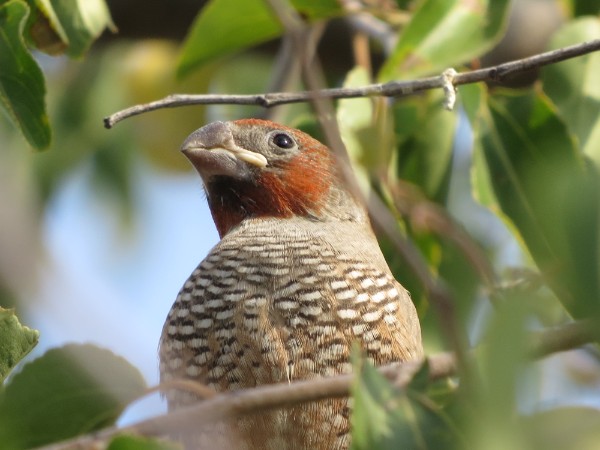
Another of the birds seen at Pelican Lodge was this Red-headed Finch. I was birding and would never had noticed them if a bulbul in the same tree called, drawing my attention until I noticed two birds sitting perfectly still and watching me.
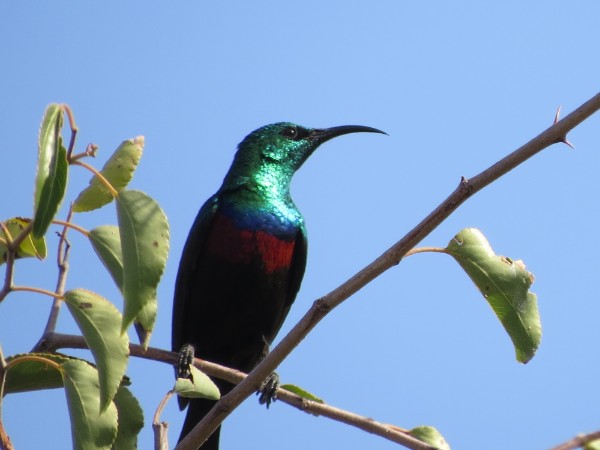
One of the most beautiful birds seen at the lodge was this Marico, or Mariqua Sunbird. It was the first sunbird we had seen, and posed for a while, allowing me amazing views of this African equivalent of a hummingbird.
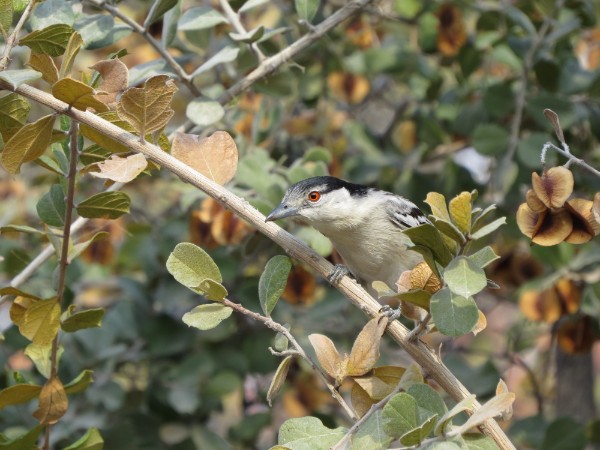
Because we remained stationary and I was on foot I was able to get much better photos of the birds seen at Pelican Lodge than in various other locations. A flock of these noisy Black-backed Puffbacks had flown into a tree also containing Burnt-necked Eremomelas, Marico Sunbirds, and various other species.
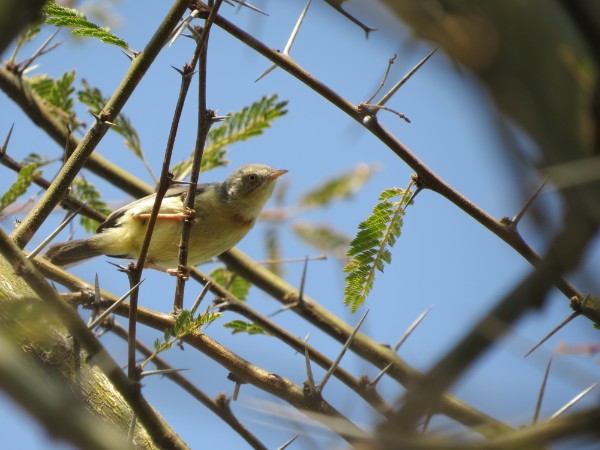
This is one of the birds mentioned in the previous caption, one with the incredibly strange name of Burnt-necked Eremomela. It is called that because of its rufous collar, but I do not know about the eremomela part. This photo was a very lucky occurence, as the bird was moving about extremely quickly in the tree.
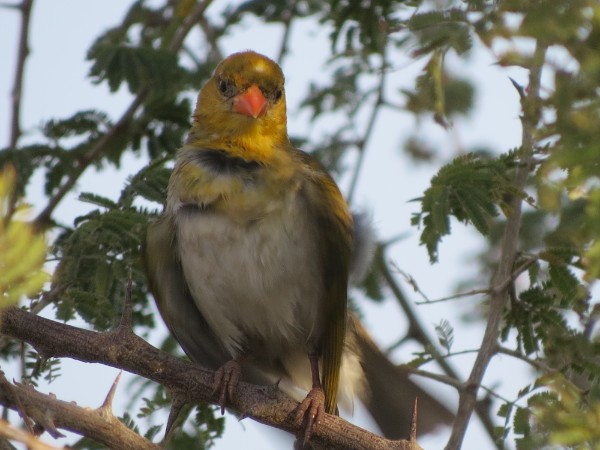
Pelican Lodge was much more successful in terms of birding than I expected it to be; it even provided me with a large flock of Red-headed Weavers hiding behind some water tanks (although I probably wasn’t supposed to be there).
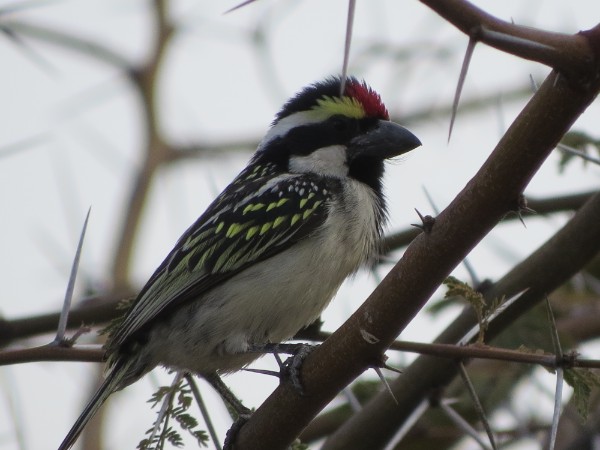
At one part of Pelican Lodge there was a small puddle with some sticks crossing it, and due to the current drought in Botswana there was much activity around it. Although not a new bird, I was still excited to get this look at the beautiful Pied Barbet, one of the many visitors to the puddle.
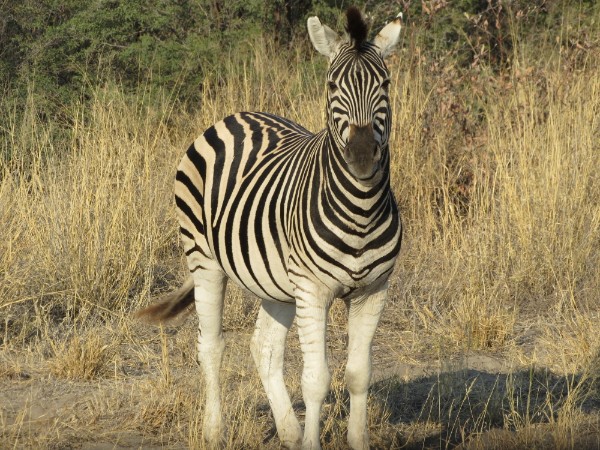
The day after Pelican Lodge we drove to Makgadikgadi and Nxai Pans National Park, and on the way we got this wonderful view of a zebra, allowing me great photos. The one difference between the southern African zebras and Tanzanian zebras is that the zebras in Tanzania are completely black and white, whereas the ones we saw had some brown stripes as well.
jokes

JOKIES O 2OI9

What’s the best thing about Switzerland?

highlight the black block to find the answer

I don’t know but the flag is a big plus

if you think you know the answer then comment your guess below

HAHAHAHAHAHAHEHEHIHOHO!!!!!!!!!!!!!!!!!!!!!!!!!!!!!!!!!!!!!!!!!!!!!!!!!!!!!!!!!!!!!!!!!!!!!!!!!!!